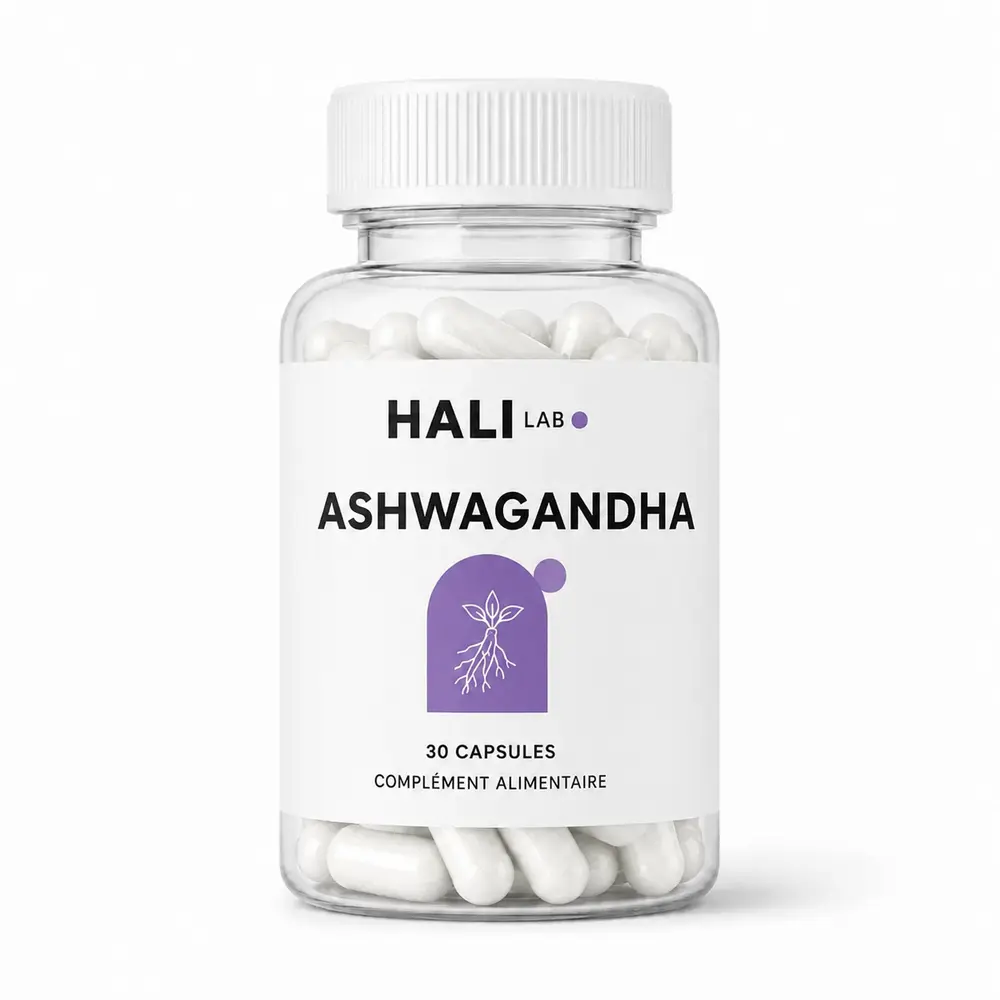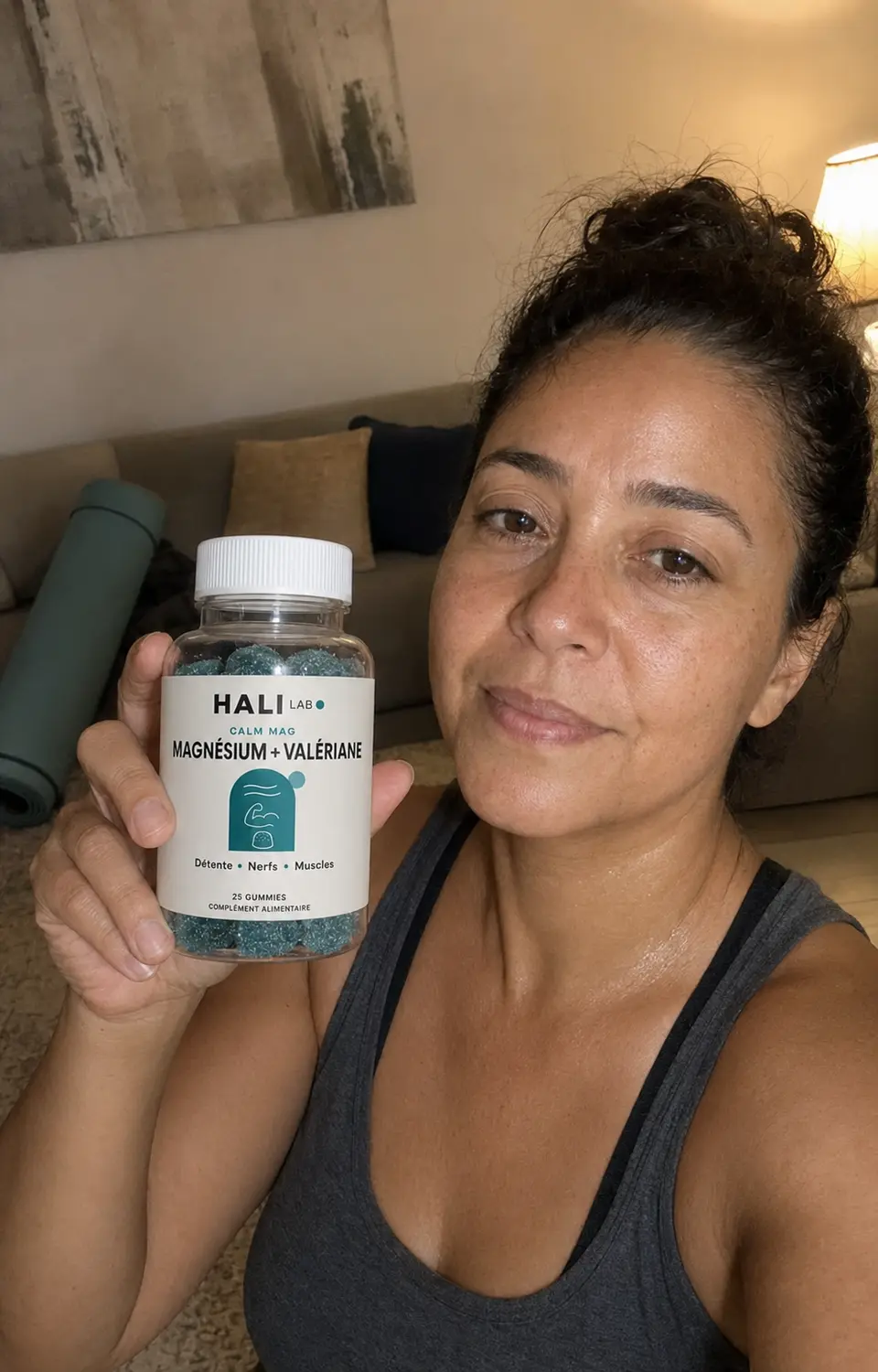
Ashwagandha or magnesium can look like a simple comparison because both are widely marketed for stress, calm or sleep. They do not, however, play the same role. Magnesium is an essential mineral found in food and required for many body functions. Ashwagandha is a botanical, and certain extracts have been studied for a few weeks in adults with stress or sleep problems.
Choosing well is therefore not about naming a universal winner. Start with the actual problem, distinguish a nutritional inadequacy from perceived stress or insomnia, and then compare the evidence, label and precautions for each product. This guide is written for people in Morocco who want a clear answer before buying, without presenting a supplement as a treatment.
Short answer: the need matters more than the marketing
If magnesium inadequacy is plausible or confirmed, correcting dietary intake and investigating the cause is a nutritional approach. Ashwagandha does not replace magnesium or correct a mineral deficiency. Conversely, taking magnesium is not equivalent to the ashwagandha extracts studied in selected trials of perceived stress.
For sleep, neither should be treated as a universal sleeping pill. Several ashwagandha trials suggest a small average effect on selected outcomes, especially among people with insomnia. Magnesium trials are fewer, mainly involve older adults, and provide low- to very-low-quality evidence. Disturbed sleep does not automatically indicate magnesium deficiency.
Two fundamentally different products
Magnesium is an essential nutrient. It is a cofactor in more than 300 enzyme systems, including those involved in nerve and muscle function, energy production and normal heart rhythm. Food sources include legumes, nuts, seeds, whole grains and green vegetables. A supplement may use citrate, oxide, bisglycinate or another form; the label should state elemental magnesium, not merely the weight of the compound.
Ashwagandha, Withania somnifera, contains different plant compounds, including withanolides. Root powder, root extract and root-and-leaf extract are not interchangeable. Clinical trials concern specific preparations, standardisations and durations. Reading the milligram figure alone cannot reproduce a study result.
For stress, the evidence answers different questions
The NIH summary describes several small randomised trials of ashwagandha, many conducted in India for six to eight weeks using different extracts and amounts. Several reported lower stress or anxiety scores and sometimes cortisol versus placebo. Product diversity, limited sample sizes and short follow-up prevent promising the same effect from every capsule sold in Morocco.
Magnesium can matter when intake is inadequate or certain conditions or medicines increase losses. Yet fatigue, irritability and stress are nonspecific and do not diagnose deficiency. In otherwise healthy people, the NIH describes symptomatic deficiency caused only by low intake as uncommon because the kidneys limit losses when status is low.
For sleep, what do studies actually show?
A 2021 meta-analysis of ashwagandha combined five trials involving 400 adults and found a small average sleep effect versus placebo, more noticeable in selected subgroups with insomnia. The trials did not all use the same extract. These results do not show that ashwagandha treats every form of insomnia or works after the first dose.
For oral magnesium, another 2021 meta-analysis found only three randomised trials involving 151 older adults. Sleep-onset latency was shorter in the pooled analysis, but the increase in total sleep time was not statistically significant. The authors rated the evidence low to very low because of bias risk and the small evidence base. These findings cannot automatically be extrapolated to younger adults or every magnesium form.
How to approach a real-life choice
Low intake or possible magnesium losses
A diet low in magnesium sources, chronic diarrhoea, certain digestive diseases, type 2 diabetes, alcohol dependence and some medicines can increase the chance of inadequate intake or losses. The priority is to identify the cause with a professional and improve the diet when possible. A single blood measurement does not always reflect total magnesium stores.
Perceived stress without evidence of deficiency
Certain ashwagandha extracts have evidence more directly related to stress scores than magnesium does. This is not a prescription and does not support self-treating an anxiety disorder, depression or occupational burnout. Persistent stress also calls for a review of sleep, workload, activity, stimulants, mental health and physical causes.
Insomnia or repeated awakenings
Loud snoring, breathing pauses, restless legs, pain, anxiety, depression, late caffeine and some medicines can disturb sleep. Choosing a supplement without investigating the cause can delay suitable care. Regular sleep habits and evidence-based management of chronic insomnia have stronger support than switching randomly between supplements.
Can ashwagandha and magnesium be combined?
The absence of a well-documented interaction between two ingredients does not prove that combining them is useful or safe for everyone. Starting both together also makes the cause of an adverse effect harder to identify. Avoid beginning several supplements on the same day, and check combination products for duplicated ingredients.
This matters especially with kidney, liver, thyroid or autoimmune disease, during pregnancy or breastfeeding, before surgery, or when using regular medication. In these situations, medical or pharmacy advice should come before purchase. A “natural” routine can still alter the tolerability, absorption or effect of a medicine.
Different precautions for each supplement
Ashwagandha can cause drowsiness, stomach upset, diarrhoea or vomiting. Rare liver injuries have been reported. NCCIH advises against use during pregnancy and breastfeeding, before surgery, and in people with certain thyroid or autoimmune disorders. Interactions are possible with sedatives, anticonvulsants, immunosuppressants, thyroid hormones, and diabetes or blood-pressure medicines.
High amounts of magnesium from supplements or medicines can cause diarrhoea, nausea and abdominal cramping. Toxicity risk rises when kidney function is impaired. Magnesium can also reduce the absorption of certain antibiotics and bisphosphonates; the correct spacing depends on the medicine and should be confirmed with a pharmacist.
A pre-purchase checklist in Morocco
For magnesium, check the chemical form, elemental magnesium per serving, number of servings and other ingredients. For ashwagandha, look for the botanical species, plant part, powder or extract, any stated standardisation and amount per serving. For both, check the batch, date, responsible operator and label precautions.
Avoid cure claims, guaranteed results, comparisons that omit the exact product and doses copied from a trial. Price does not replace transparency. If symptoms persist, worsen or affect daytime function, professional assessment is more useful than adding one supplement after another.
Frequently asked questions
Which is better for stress: ashwagandha or magnesium?
Neither is best in every situation. Certain ashwagandha extracts have been directly studied for perceived stress. Magnesium primarily meets a nutritional need and becomes especially relevant when intake is inadequate or losses are increased.
Does magnesium or ashwagandha improve sleep more?
No direct trial identifies a winner. Evidence for selected ashwagandha preparations suggests a small average effect. For magnesium, placebo-controlled evidence is low to very low quality and mainly concerns older adults.
Can magnesium and ashwagandha be taken together?
The combination is not automatically necessary or suitable for everyone. Avoid starting both on the same day, check for duplicated ingredients, and seek advice if you use medication or have a chronic condition.
How can I tell if I am low in magnesium?
Possible symptoms are nonspecific, and one blood test does not always reflect total stores. Assessment combines diet, conditions, medicines, symptoms and, when needed, tests selected by a professional.
When should medical advice be sought?
Seek advice before use during pregnancy or breastfeeding, with kidney, liver, thyroid or autoimmune disease, before surgery, or with regular medication. Consult if stress or insomnia persists, or if marked drowsiness, jaundice, repeated vomiting or another unusual symptom occurs.
Educational content: this is not a diagnosis or prescription and does not replace professional healthcare advice.
Sources
- NIH Office of Dietary Supplements — Ashwagandha fact sheet
- NIH Office of Dietary Supplements — Magnesium fact sheet
- NCCIH — Ashwagandha: usefulness and safety
- Cheah et al. — Ashwagandha and sleep meta-analysis
- Mah & Pitre — Oral magnesium for insomnia meta-analysis
- Abbasi et al. — Magnesium and primary insomnia trial