Losing up to about a hundred hairs a day is normal. Heavier shedding in women often has an identifiable cause: seasonal change, childbirth, strict dieting, intense stress, iron deficiency or a hormonal disorder.
Supplements do not replace finding that cause, but some nutrients genuinely contribute to the maintenance of normal hair.
The most common causes
Seasonal shedding, especially in autumn, is temporary. Shedding two to three months after childbirth, fever, surgery or a severe diet (telogen effluvium) usually stops on its own within months. Iron deficiency, thyroid problems or polycystic ovary syndrome, however, need medical advice.
Nutrients that support normal hair
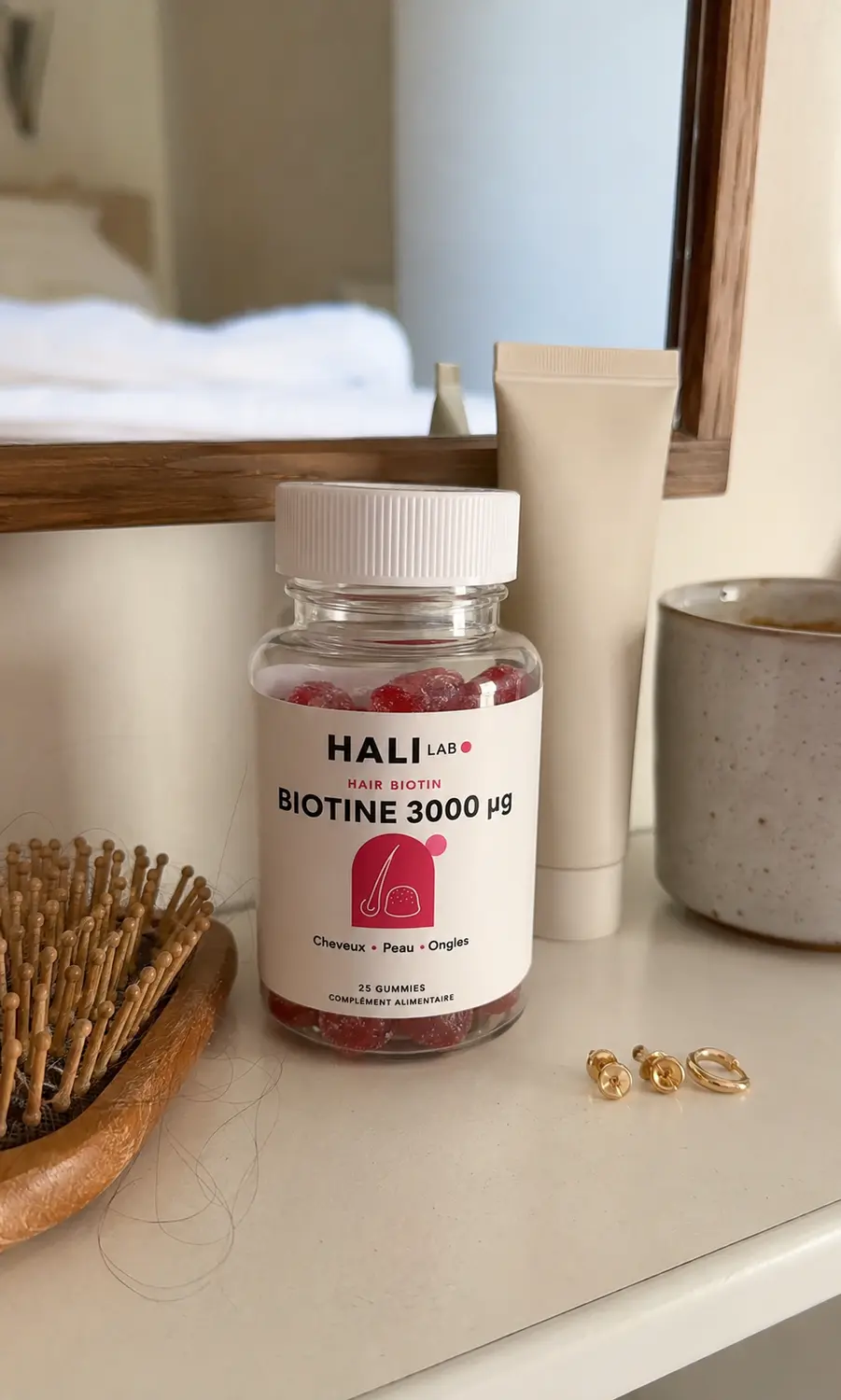
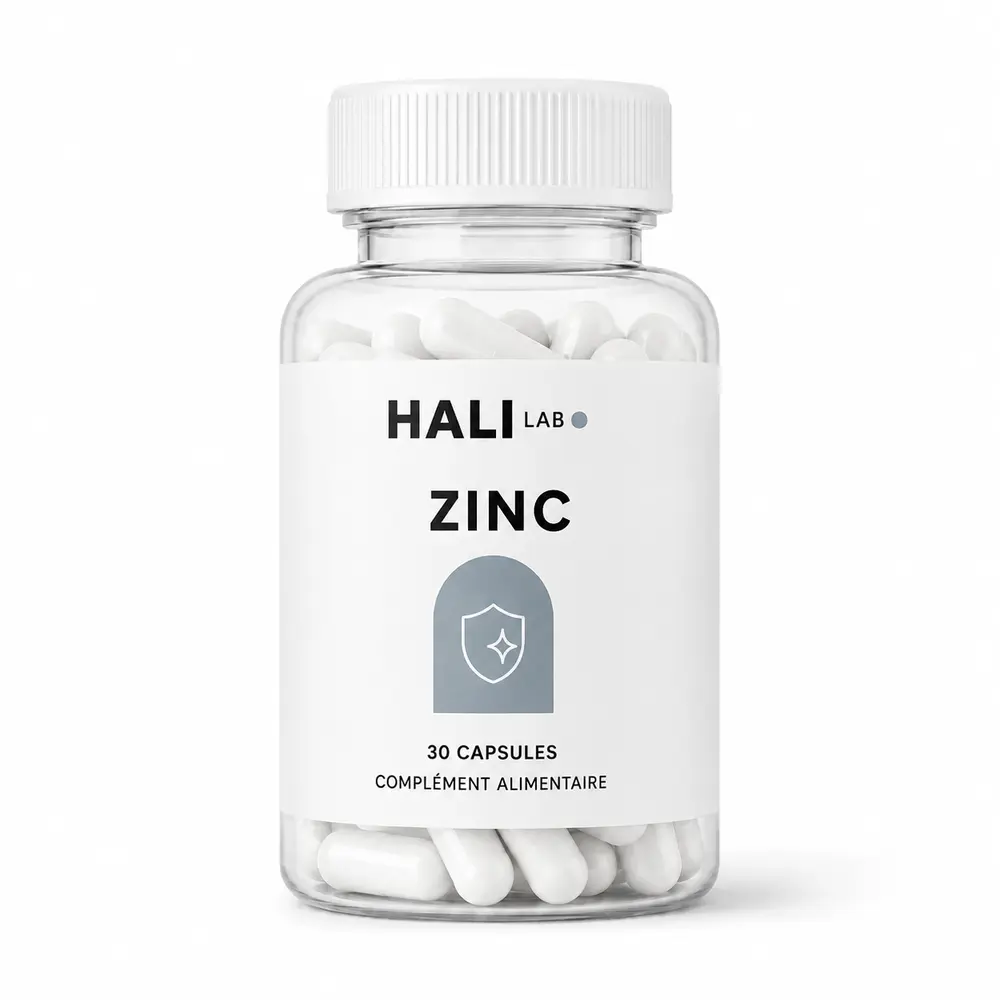
Biotin, zinc and selenium contribute to the maintenance of normal hair. Biotin is the basis of most hair routines and zinc complements it well. Collagen is chosen more for skin. A diet with enough protein and iron remains essential.
Hair grows about one centimetre a month: judge a routine after two to three months, with photos to compare.
Care for the scalp too
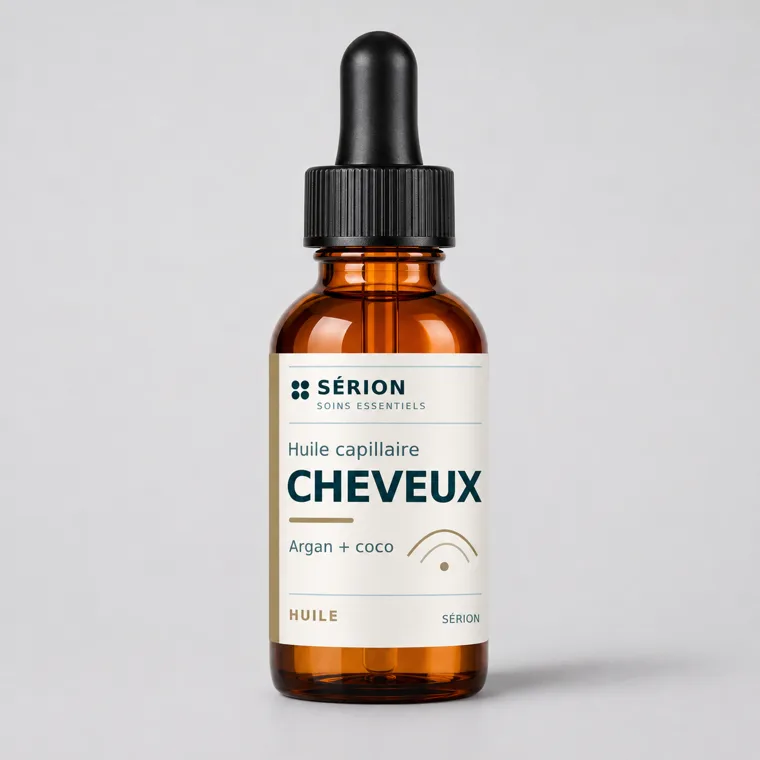
An argan and coconut oil bath before shampooing nourishes lengths and limits breakage. A light scalp spray soothes itching without greasiness. Avoid very tight hairstyles and excessive heat, which weaken the hair fibre.
When to see a dermatologist
See a doctor if shedding lasts more than six months, forms patches, the parting widens noticeably, or it comes with fatigue, irregular periods or unusual hair growth. Always mention biotin before a blood test: it can distort some results.
Disclaimer
This content is educational and does not replace professional medical advice. Seek medical advice before supplementation if symptoms persist, during pregnancy or breastfeeding, or when taking medication or living with a chronic condition.
Frequently asked questions
Does biotin stop hair loss?
It contributes to normal hair and helps mainly when intake was low. It does not treat hormonal hair loss.
How long should a course last?
At least two to three months, matching hair growth.
Can I take them while breastfeeding?
Ask your doctor or midwife before any supplement while breastfeeding.
Educational content: this is not a diagnosis or prescription and does not replace professional healthcare advice.