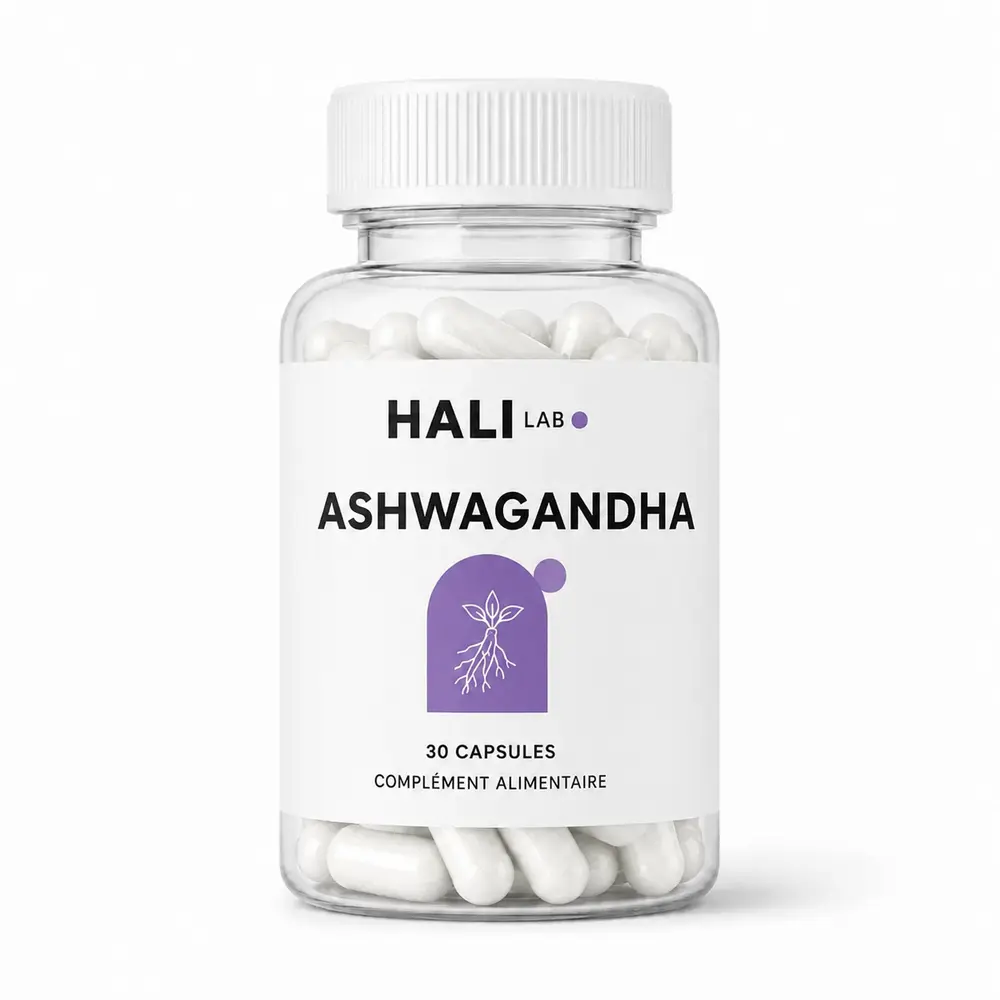
Ashwagandha (Withania somnifera) is used in supplements marketed mainly for stress or sleep. “Natural” does not mean risk-free. Extracts, plant parts and studied amounts vary, so findings from one product cannot automatically be applied to every other product.
This guide explains documented side effects and precautions without overstating how often they occur or downplaying situations that require medical advice. It complements our guide to choosing ashwagandha in Morocco.
What is actually known about safety
The U.S. National Center for Complementary and Integrative Health, part of the National Institutes of Health, states that ashwagandha may be safe in the short term, for up to three months, but that evidence is insufficient to determine long-term safety. This distinction matters: no problem in a short trial does not prove that continuous use is harmless.
Trials use different preparations: powder, root extract or root-and-leaf blends, with varying withanolide concentrations. Tolerability observed for one specific standardised extract is therefore not a guarantee for a different formula. The label of the product actually purchased remains the reference.
Which side effects are most often reported?
The effects listed by NCCIH are mainly drowsiness, stomach upset, diarrhoea and vomiting. They do not occur in everyone, and their exact frequency depends on the preparation, amount and duration of use.
Drowsiness should be taken seriously before driving or operating machinery. Persistent digestive symptoms should not simply be dismissed as an “adjustment period”. If a symptom begins after starting the supplement, stopping it and seeking advice helps assess a possible connection.
Ashwagandha and the liver: a rare but documented risk
Case series published in hepatology journals have linked some ashwagandha supplements to liver injury. A series from Iceland and the United States mainly described cholestatic or mixed injury with jaundice and pronounced itching. An Indian series reported severe outcomes among people who already had chronic liver disease.
These reports cannot calculate an individual risk and do not show that every product is dangerous. They do justify extra caution in people with liver disease or a history of liver injury linked to a medicine or supplement.
Which signs should prompt you to stop?
Jaundice, unusually dark urine, pale stools, widespread itching, or severe and unusual fatigue call for stopping the supplement and seeking prompt medical advice. These signs have several possible causes and require professional assessment.
Who should avoid ashwagandha or seek medical advice?
According to NCCIH, ashwagandha should be avoided during pregnancy and should not be used while breastfeeding. It is not recommended before surgery or for people with thyroid or autoimmune disorders. People in these situations should not experiment with a supplement on their own in the hope of treating a condition.
A clinical trial in subclinical hypothyroidism observed changes in thyroid hormones with one specific extract. This does not make ashwagandha a thyroid treatment; instead, it reinforces the need for medical supervision in people with thyroid disease or taking thyroid hormones.
Which medicines may interact with it?
NCCIH notes possible interactions with medicines for diabetes and high blood pressure, immunosuppressants, sedatives, some anti-seizure medicines and thyroid hormones. This is not an exhaustive list. A pharmacist or doctor should check compatibility with all your treatments, including medicines taken only occasionally.
Also avoid stacking several evening supplements containing sedating botanicals. Two over-the-counter products may have additive effects. At an appointment, show the labels or clear photographs rather than giving only the brand names.
How can you reduce risk before buying in Morocco?
Check the botanical name Withania somnifera, plant part, extract type, amount per serving, any withanolide standardisation, other ingredients, batch number, date and operator details. A guaranteed-result or cure claim is a warning sign, not proof of effectiveness.
Do not choose solely by the largest milligram number. Compare like with like and follow the labelled serving without increasing it. There is no universal dose that applies to every extract, every goal and every health profile.
What to remember before starting
For an adult with no known condition or treatment, short-term use that follows the label does not remove all risk. Record the start date, do not introduce several new supplements at once, and keep the packaging. These steps make a suspected side effect easier to identify.
If you are pregnant or breastfeeding, have liver, thyroid or autoimmune disease, are preparing for surgery, or take medicine, seek professional advice before use. A supplement should never delay diagnosis or replace prescribed treatment.
Frequently asked questions
Can ashwagandha be taken every day?
Available evidence mainly concerns short-term use. NCCIH says there is insufficient information to determine long-term safety. Follow the label and seek advice if you are considering prolonged use.
Is ashwagandha compatible with thyroid treatment?
Interaction with thyroid hormones is possible, and hormonal changes have been observed in a clinical trial. Do not combine it with thyroid treatment without approval from a doctor or pharmacist.
Can ashwagandha harm the liver?
Rare cases of liver injury have been published. Individual risk is not precisely known. If you have liver disease or symptoms such as jaundice, stop taking it and seek prompt advice.
Should ashwagandha be taken in the morning or evening?
There is no universal evidence-based time for every formula. Follow the label and account for possible drowsiness. If it occurs, do not drive and seek advice.
Educational content: this is not a diagnosis or prescription and does not replace professional healthcare advice.