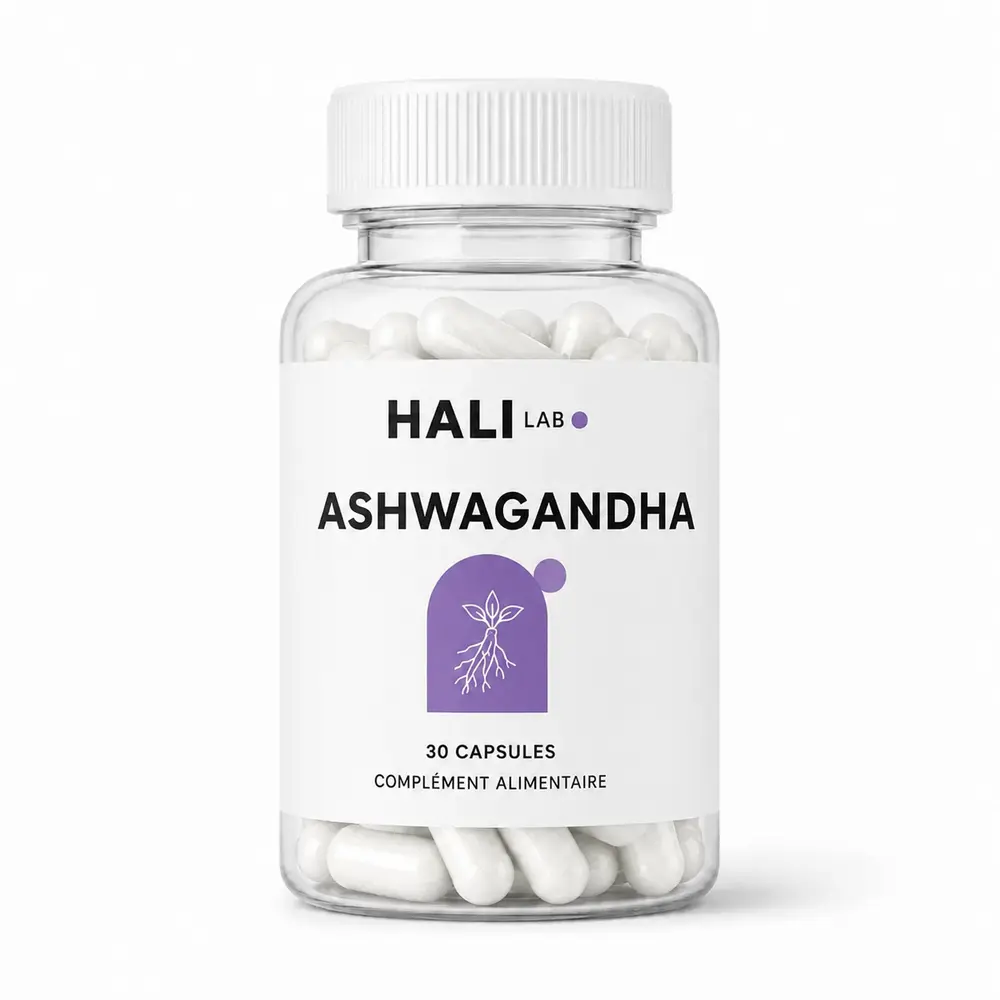
Rhodiola rosea and Withania somnifera, known as ashwagandha, are different plants often grouped under the word “adaptogen.” This commercial or traditional term does not make them equivalent or interchangeable. Their botanical origins, plant parts, chemical markers, trials and precautions differ.
There is therefore no universal answer to “rhodiola or ashwagandha?” The real issue—fatigue, perceived stress, disturbed sleep or another symptom—must first be identified, followed by product-quality checks and consideration of medical advice. No direct clinical trial comparing both herbs in the same participants was identified in the sources reviewed.
Short answer: choose by symptom, not reputation
Ashwagandha evidence mainly concerns specific preparations used for several weeks for stress or sleep. NCCIH states that some formulations may be useful in these areas, but many trials are small and heterogeneous. Findings do not automatically apply to every powder, capsule or brand.
For rhodiola, the European monograph accepts traditional use for temporary relief of stress symptoms such as fatigue and exhaustion. “Traditional use” means the indication relies mainly on long-standing use and plausibility, not the same level of evidence as a medicine with well-established efficacy.
Two genuinely different plants
Ashwagandha is the species Withania somnifera. Supplements generally contain root powder or extract, and sometimes a combined root-and-leaf extract. Withanolides are often used as markers, but their percentage summarises neither the full composition nor clinical effectiveness.
The rhodiola discussed here is Rhodiola rosea. The traditionally used material is the rhizome and root. Labels may list markers such as rosavins and salidroside, but the word “rhodiola” alone confirms neither species, extraction ratio, solvent nor equivalence to a studied preparation.
Stress and sleep: what ashwagandha evidence allows us to say
NIH summarises several small randomised trials, mainly conducted in India, using root or root-and-leaf extracts at varying doses and durations. Some observed lower perceived stress or improvements in sleep parameters versus placebo. This diversity prevents turning one finding into a universal dose or guaranteed promise.
Ashwagandha may be more closely aligned with a sleep-focused goal when the label truly matches a studied preparation. This does not mean it treats insomnia or must be taken at night. Persistent disturbance, repeated waking, loud snoring or daytime sleepiness requires investigation of the cause.
Stress-related fatigue: what rhodiola evidence allows us to say
A double-blind randomised trial studied 60 adults with stress-related fatigue syndrome. Thirty received 576 mg daily of standardised SHR-5 extract for 28 days and thirty received placebo. Differences were reported in selected fatigue and attention measures, but the sample was small and the protocol concerned that exact extract.
Rhodiola findings are not uniformly positive. In another randomised trial among nursing students working shifts, rhodiola did not improve fatigue and the primary result favoured placebo. This divergence shows why an effect in one population must not be generalised to every form of fatigue.
There is no clinical head-to-head contest
Available trials usually compare one herb with placebo in different populations and with different outcomes. Comparing an improvement percentage from a fatigue trial with one from a sleep trial compares two different questions. Without direct randomisation between rhodiola and ashwagandha, relative superiority cannot be calculated properly.
Calling rhodiola “more energising” and ashwagandha “more calming” oversimplifies heterogeneous evidence. These phrases may describe a commercial perception, not a pharmacological rule that applies to everyone. Timing should not be chosen from those labels alone.
Stress or fatigue: begin by looking for the cause
Fatigue may come from insufficient sleep, anaemia, thyroid disease, infection, medication, inadequate nutrition or psychological load. A supplement cannot distinguish these causes. Sudden, prolonged or disabling fatigue, or fatigue with breathlessness, weight loss, pain or very low mood warrants medical assessment.
Likewise, “stress” may describe a busy period or conceal an anxiety disorder, depression, occupational burnout or physical illness. Herbs do not replace regular sleep, suitable activity, workload changes, psychological support or treatment when needed.
Comparing labels in Morocco: five checks
First verify the full botanical name: Withania somnifera or Rhodiola rosea. Then check plant part, powder versus extract, amount per daily serving and declared standardisation. Species and markers matter for rhodiola; root-only and root-and-leaf ashwagandha should not be confused.
Finally, look for the full ingredient list, allergens, batch, expiry, storage and responsible operator’s details. A huge front-label number, the word “adaptogen” or a benefit list does not replace this information. Compare price per serving only after confirming that products are genuinely comparable.
Different precautions, shared caution
For ashwagandha, NCCIH reports digestive upset, drowsiness and rare liver injury. It is discouraged during pregnancy and breastfeeding, before surgery, and in some people with thyroid or autoimmune disorders. Interactions with several medicines are possible.
The European rhodiola monograph concerns adults and recommends consultation if symptoms persist beyond two weeks or worsen. Pregnancy and breastfeeding data are insufficient. With either herb, combining several supplements or using them with medication increases uncertainty and deserves professional advice.
This content is educational and does not replace professional medical advice. Seek medical advice before supplementation if symptoms persist, during pregnancy or breastfeeding, or when taking medication or living with a chronic condition.
A simple way to decide
If the main goal is disturbed sleep associated with stress, trials of certain ashwagandha preparations relate more directly to that question. If the main complaint is temporary stress-related fatigue or exhaustion, rhodiola has European traditional use and several specific trials. Neither observation is a prescription.
Choose one transparent product, follow its label, set a short observation period and record the goal and adverse effects. Do not increase the amount because an effect seems slow, and do not automatically combine both herbs. If there is no improvement or a symptom worsens, stop self-experimenting and seek advice.
Frequently asked questions
Rhodiola or ashwagandha for stress?
Studies do not identify a winner. Ashwagandha has mainly been studied for perceived stress and sleep, while rhodiola has traditional use for temporary stress symptoms such as fatigue and exhaustion. Choice depends on the symptom, exact product and precautions.
Can rhodiola and ashwagandha be taken together?
The combination is not necessarily better studied than either herb alone and makes adverse effects harder to identify. Seek medical advice, especially with medication or chronic disease.
Should rhodiola be taken in the morning and ashwagandha at night?
That shortcut is not a universal rule. Follow the product label and your tolerance. Ashwagandha can cause drowsiness, but people do not all respond in the same way.
Which herb is best for fatigue?
No herb should be chosen before identifying the cause. Several rhodiola trials concern stress-related fatigue, with non-uniform findings. Persistent or unexplained fatigue requires medical assessment.
How can I recognise a good product?
Check botanical species, plant part, extract type, amount per serving, standardisation, full ingredient list, batch, expiry and responsible operator. Avoid guaranteed promises.
Educational content: this is not a diagnosis or prescription and does not replace professional healthcare advice.